Choosing Interior Materials for Dubai Heat and Humidity
Dubai's outdoor climate matters to an interior project, but the conditions in each room matter more than a citywide label. A cooled living room, a sun-facing window seat, a bathroom and a terrace door expose materials to different combinations of light, moisture and use. No single wood species, fabric or sealant earns the title “best for Dubai” without knowing where the material will go and how the space is operated.
Contents
- What does humidity do to wood indoors?
- Can a finish prevent wood movement?
- How should sun-exposed fabrics be selected?
- What about stone, tile and wet rooms?
- What should the final material schedule contain?
Key takeaways
- Wood absorbs moisture when relative humidity rises and releases it as air dries, which can stress joints, split material or damage a finish.
- Finishes affect the rate at which wood exchanges moisture, but they do not let you ignore room conditions.
- Light can fade textile colour, and moisture can affect textiles too.
- Separate a dry living-room wall from a shower, kitchen counter or outdoor threshold.
- The strongest Dubai specification is not a list of supposedly climate-proof materials.
Start a material schedule by room and surface. For each location, record direct sun, regular water contact, ventilation, cleaning method and whether the air conditioning runs continuously. Then compare the proposed product with its manufacturer's installation and care instructions. This turns a luxury finish selection into a testable specification instead of a climate slogan.
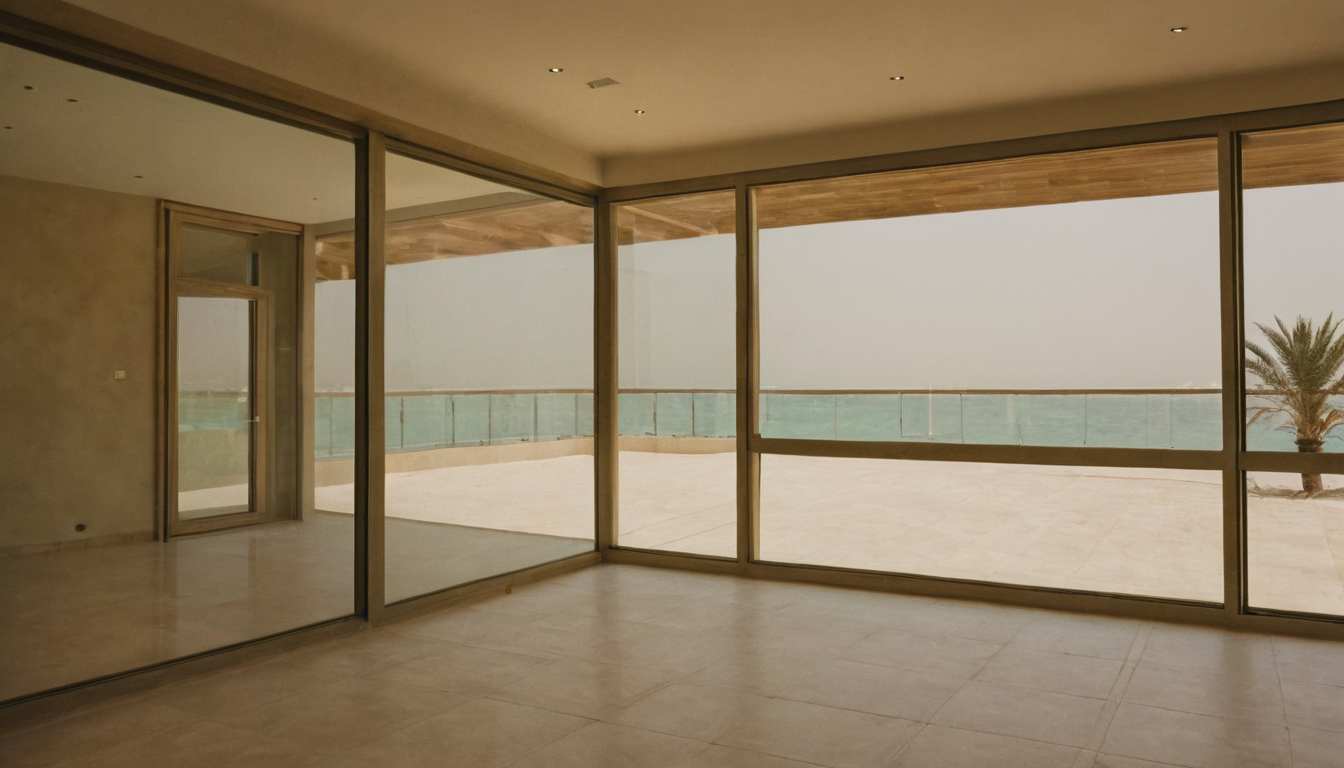
How Dubai Heat and Humidity Shape Material Choices for Luxury Interiors.
What does humidity do to wood indoors?
Wood absorbs moisture when relative humidity rises and releases it as air dries, which can stress joints, split material or damage a finish. This is a material behaviour, not proof that a named species will fail in every Dubai house. A peer-reviewed study by researchers from Ajman University and Prince Mohammad Bin Fahd University investigated the effects of temperature and relative humidity on formaldehyde emissions from building materials in Dubai social housing, linking environment temperature rises and relative humidity to indoor air quality outcomes (Ajman University). Moisture control matters beyond structural movement: the U.S. Environmental Protection Agency states that condensation and wet or damp spots should be fixed promptly to prevent mold growth, and recommends reducing indoor humidity.
Ask what the indoor environment will actually be during occupancy and when the home is vacant. A sample reading taken in a cooled showroom does not reflect an unoccupied villa or an intermittently cooled guest room. If costly joinery or flooring is planned, have the installer document the room conditions and the product's required conditioning period before installation. The National Wood Flooring Association's installation guidance frames acclimation as aligning flooring with the environment in which it will be installed and says to follow the manufacturer's direction where it differs (National Wood Flooring Association). Its North American moisture map should not be converted into a Dubai specification.
Look at construction, not just the face species. A veneered door, solid-wood frame and engineered floor are assemblies with different cores, joints and edges. Ask the supplier for the full build-up, intended indoor use, edge treatment and installation method. A claim such as “marine-grade core” needs a defined product specification, not an assumption that every engineered board contains one. For a replacement project, photograph any existing swelling or gaps and investigate leaks or changing room conditions before ordering the same detail again. Because many finishes and building materials release volatile organic compounds, the U.S. Environmental Protection Agency recommends increasing ventilation when using products that emit VOCs indoors.
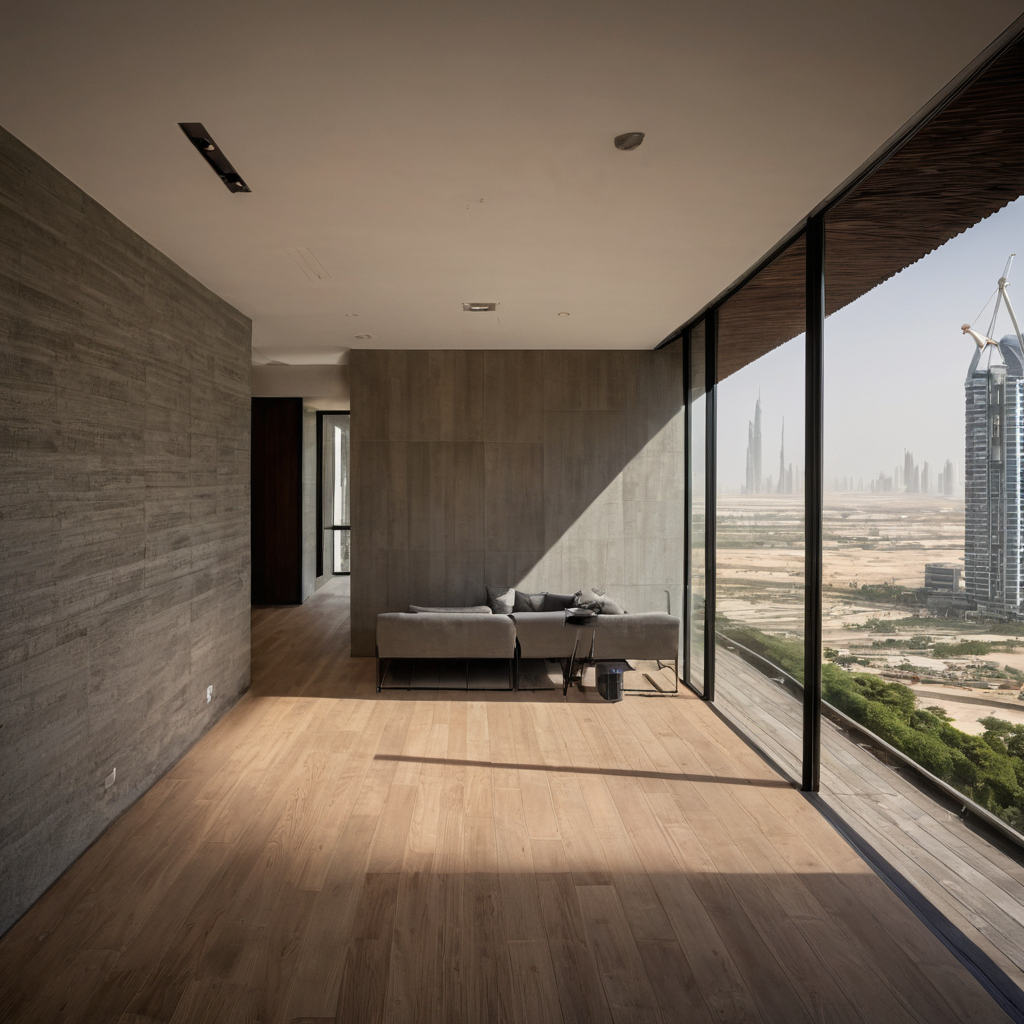
Why does Dubai's climate damage interior materials faster than temperate regions.
Can a finish prevent wood movement?
Finishes affect the rate at which wood exchanges moisture, but they do not let you ignore room conditions. No coating entirely prevents wood from taking up moisture in high humidity or drying in low humidity. Ask what the proposed finish is designed to do, how it is maintained and whether it suits the underlying product.
The choice of finish also shapes indoor air quality. The U.S. Environmental Protection Agency identifies paints, varnishes, waxes, cleaning products, building materials and furnishings as common indoor sources of volatile organic compounds. In a sealed, cooled room, those emissions accumulate differently than in a ventilated hallway. Selecting a finish therefore involves both appearance and the chemical load it introduces to the space. Plan for adequate airflow during application and curing.
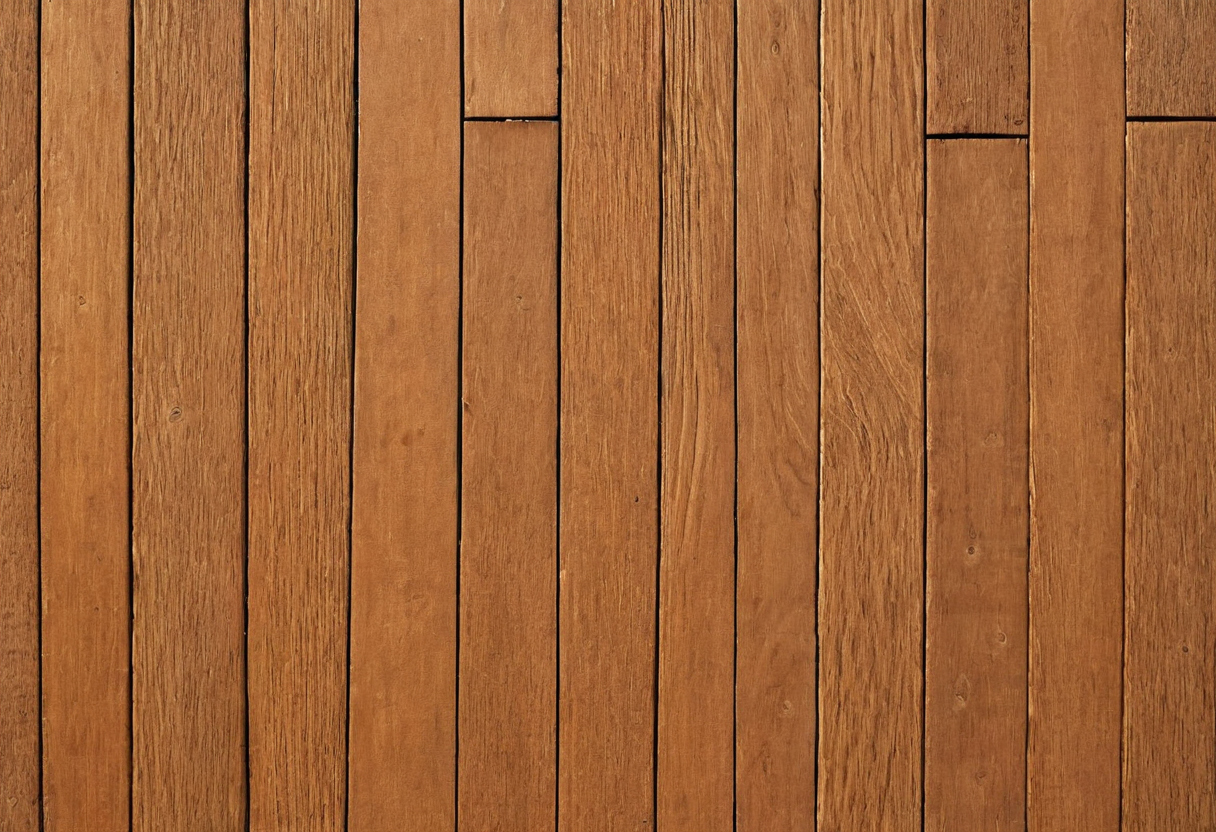
Which wood species and engineered boards withstand Dubai's humidity fluctuations.
For cabinets and wall panels, check exposed edges, cut-outs and areas around sinks or air-conditioning equipment. A beautiful face finish cannot compensate for a recurring leak or trapped condensation behind a panel. Ask the installer how the assembly can be inspected later and what happens if a concealed surface becomes wet. Do not assume that a named adhesive chemistry guarantees a durable installation; request the adhesive maker's compatibility and application instructions for the actual substrates and conditions.
A sample board helps with appearance and cleaning tests, but it does not prove years of service life. Try the approved cleaner on a sample, ask about repairability, and have the supplier define what is covered by a warranty. Record the finish code and batch or product name so future maintenance does not depend on a vague description such as “natural matte.” Once wood surfaces and their coatings are specified, the next question is how soft materials hold up under intense light.

What fabrics and upholstery materials resist UV fading and humidity in Dubai homes.
How should sun-exposed fabrics be selected?
Light can fade textile colour, and moisture can affect textiles too. While conservation research documents those risks for collections, residential performance depends on specific exposure. It supports a practical question: how much direct light reaches this upholstery or curtain, and what evidence does the supplier have for its colour performance?
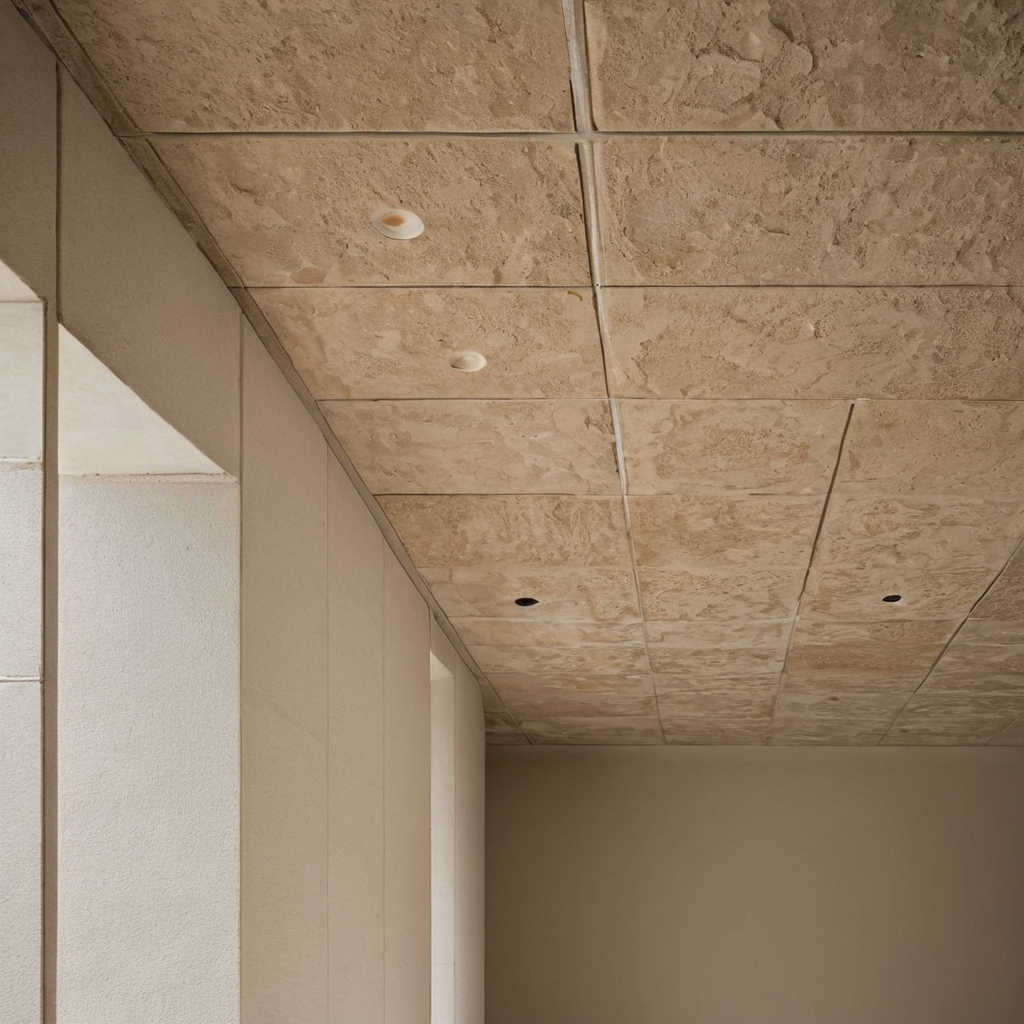
Which stone, tile, and sealants perform best under extreme heat and moisture.
Ask for the fabric's actual product sheet, intended use, cleaning code and any stated lightfastness test. Do not infer that every solution-dyed or synthetic fibre will retain colour for a promised number of years in a Dubai window. The test method, colour, exposure and care all matter. Where a sofa can sit out of direct sun, layout may reduce exposure without changing the fabric. For window treatments, compare the appearance of an open shade with the amount of light the room actually receives.
Check fabric beside the other materials in the room. A textile may be easy to clean yet unsuitable for a delicate seat shape; a pale fabric can show wear differently from a dark one. Ask for an installed sample or enough material to test cleaning and daylight appearance. If the supplier claims a stain or fade warranty, obtain its terms rather than relying on a single marketing adjective. Fabrics respond to the room environment, and so do hard surfaces in areas where water is constant.
What about stone, tile and wet rooms?
Separate a dry living-room wall from a shower, kitchen counter or outdoor threshold. Ask for the exact stone or tile product, its intended use, substrate requirements, grout and maintenance instructions. Natural stone varies by type and finish, so a broad claim that all marble, granite or limestone behaves identically is not useful. A sealant proposal should specify which surface it is for, what it can and cannot prevent, and when it needs inspection.
Care routines determine whether a surface degrades prematurely. The Natural Stone Institute recommends cleaning natural stone surfaces with neutral cleaners, stone soap, or mild liquid dishwashing detergent and warm water. The same guidance warns that scouring powders or creams can scratch natural stone surfaces because those products contain abrasives. Avoid abrasive cleaners even when a honed or polished finish appears resilient at first glance.

How do adhesives, paints, and wall finishes fail in Dubai's climate.
Pay particular attention to water paths. A wet-room finish is part of an assembly with substrate, waterproofing, joints and drainage. If water is reaching the structure, changing the decorative stone alone does not solve the cause. Ask the design and installation team to identify who is responsible for the full assembly and how it will be tested before concealment. Do not promise that a penetrating or film-forming product universally fixes moisture and salt without a product-specific basis.
At doors to terraces or pool areas, treat tracked-in water and sand as a separate use condition from indoor humidity. Test whether the chosen floor can be cleaned by the household's actual routine and whether transitions create places where water can sit. This is a design and maintenance question, not a claim that one surface is immune to Dubai weather. Documenting these decisions keeps the entire project accountable.
What should the final material schedule contain?
- Room, surface, direct sunlight, water exposure and expected cleaning method.
- Exact product, manufacturer, construction and intended-use statement.
- Installation conditions, substrate, adhesive or fastening system, and responsible installer.
- Product care instructions, warranty terms and repair or replacement route.
- Photographs and checks for leaks, condensation or existing damage before installation.
- A handover record so the owner knows what was installed and how to inspect it.
The strongest Dubai specification is not a list of supposedly climate-proof materials. It is a set of products matched to measured indoor conditions, exposure and maintenance, with details that a supplier and installer can verify. That approach also makes later problems easier to diagnose: the team can check the actual room and assembly rather than blaming an entire species or finish family. Build the schedule around verified manufacturer instructions and documented room conditions, and the project moves from assumptions to a repeatable standard.
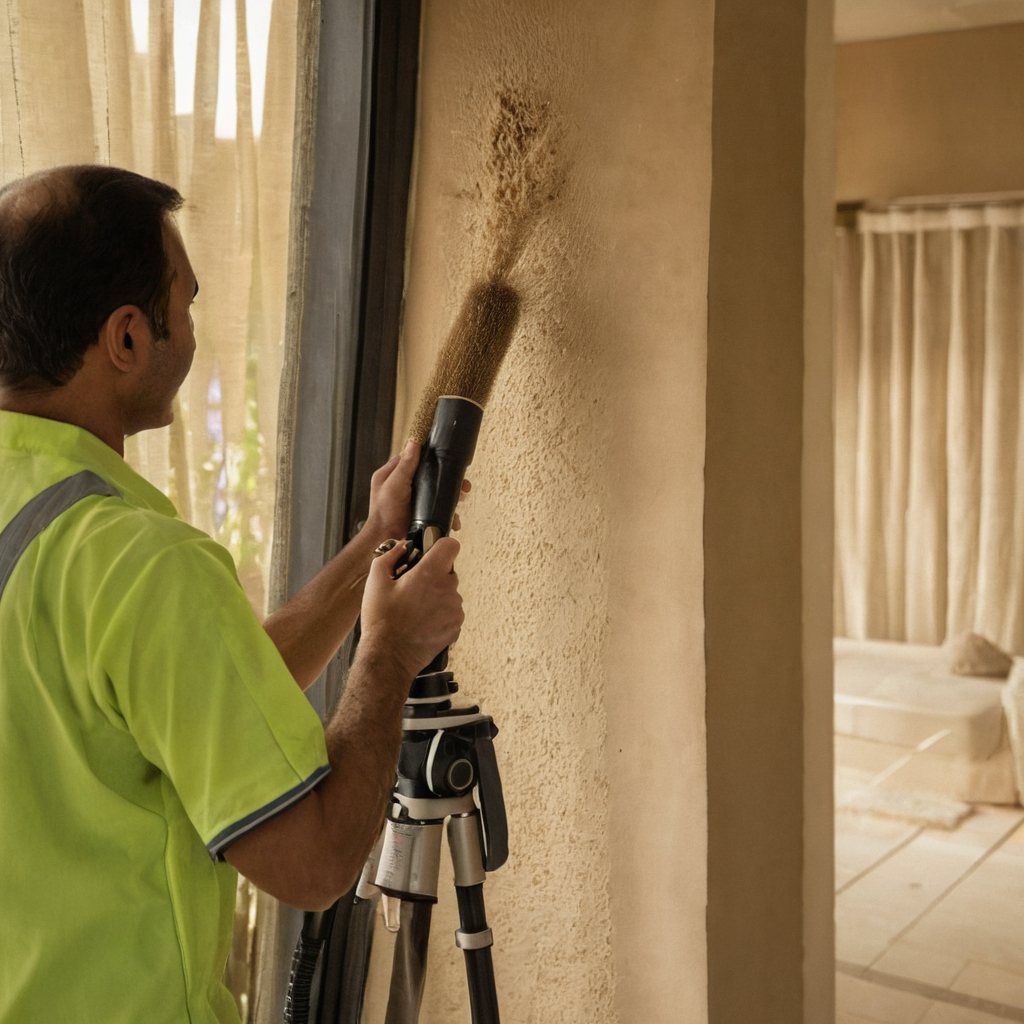
What maintenance schedules protect luxury materials from Dubai's climate.
For more on this topic, see other guides on this site.